
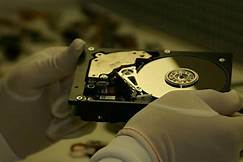


It was a quiet evening when an IT professional received an urgent call: a company server had crashed, and critical files were inaccessible. Panic set in, but this is exactly the moment where knowledge of data recovery and computer forensics makes all the difference. Losing data doesn’t have to mean losing hope; with the right approach, even the most complex cases can be resolved.
Understanding How Data Disappears
Data loss can happen in many ways. Accidental deletion, software glitches, malware, or hardware failures can all render files inaccessible. Early detection is essential. Signs such as slow system performance, corrupted files, strange error codes, or unusual noises from hard drives should prompt immediate attention. Acting quickly prevents further loss and increases the chance of successful recovery.
When to Use Recovery Software
For logical errors like accidental deletion or minor corruption, recovery software can be effective. Programs such as EaseUS, Stellar Data Recovery, or Disk Drill allow users to scan drives and restore files efficiently. These tools are useful when there is no physical damage, and the data has not been overwritten.
However, for severe hardware failures or complex system corruption, professional computer forensics and data recovery services are critical. Experts can carefully recover data from damaged drives, ensuring that sensitive information is protected and recovery chances are maximized.
Securing Sensitive Information
Digital files often contain confidential information, financial records, proprietary research, or personal data. Recovery services prioritize security, maintaining strict privacy protocols and controlled environments. Ensuring that data remains confidential during recovery is as important as the recovery itself.
Best Practices to Prevent Future Data Loss
Minimizing future risk involves both preparation and vigilance:
- Implement automated backups to external drives or cloud storage.
- Monitor system health and replace aging or faulty devices before failure occurs.
Educating staff about proper file management and data security further reduces the risk of unexpected loss.
The Value of Computer Forensics
Computer forensics is more than just recovery; it is a tool to understand what happened, why, and how to prevent recurrence. From analyzing breaches to investigating unusual digital activity, forensic methods provide insight and security in a world where data is invaluable.
Conclusion
Data recovery and computer forensics are essential in navigating the modern digital landscape. Recognizing warning signs, knowing when to use recovery software, and involving professional experts when necessary can save valuable information. With proper preparation and timely action, even serious data loss can be transformed into a manageable and recoverable situation.


