

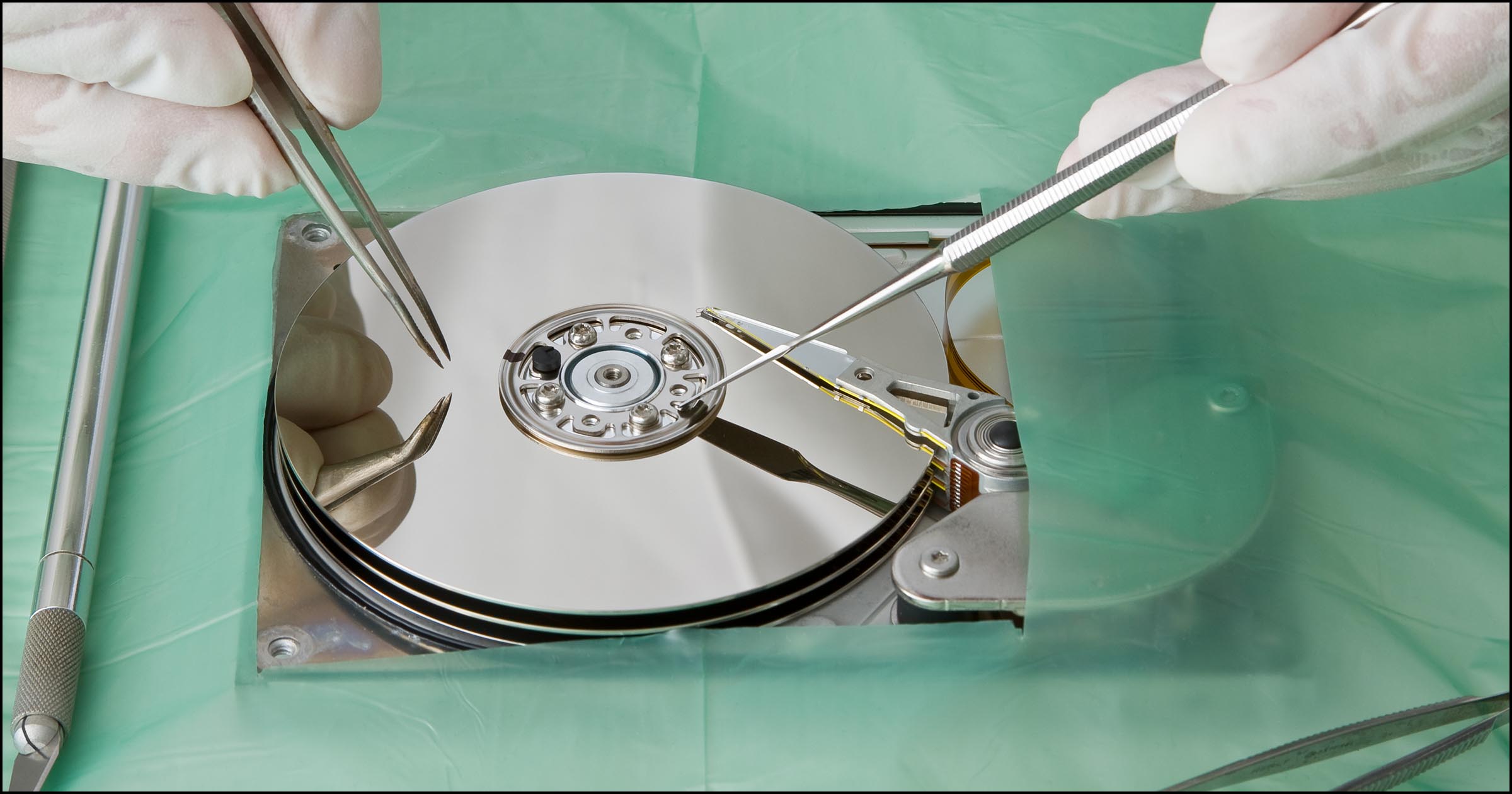


Hello there, tech mavens! Today, we are delving headfirst into the intriguing oceans of data recovery and computer forensics. Yes, it sounds complex, and you’re right, in many respects, it is. It’s a field shrouded in technical jargon and complex procedures, but that’s why we’re here – to break down the complexities and bring it to you in an easy-to-understand manner.
Without further ado, let’s jump right in!
What’s this all about – Data Recovery
Data recovery is essentially the process of rescuing and restoring inaccessible, lost, deleted, damaged, or corrupted data from secondary storage systems, removable media, or files. It’s that final glowing hope when the computer screen just stops springing to life, or when files mysteriously vanish into thin air (or so it seems!).
However, contrary to popular belief, deleted data isn’t entirely ‘gone’. It’s the Index that’s obliterated and the actual data remain intact on the disk until overwritten by new data. And that’s exactly what data recovery tools do, they scan the disk or storage device for these ‘orphaned’ files and work on restoring them.
Computer Forensics – A Brother to Data Recovery
Computer forensics, on the other hand, is more of an investigative process. We generally utilize these skills in the discovery of evidence in computers or digital storage media. It’s sort of the Sherlock Holmes in the digital world – piecing together the evidence to crack the mystery!
Think of it like this – data recovery is more often about ‘What can be saved?’, while computer forensics is about ‘What can be found?’
Data Recovery Techniques
Depending on what caused the loss of data—intentional deletion, corrupted files, damaged hard drives—we deploy different techniques.
File Carving
Fantastic for recovery from storage that doesn’t have a file system. File carving involves scrutinizing every single sector of the storage device to identify file signatures i.e., byte patterns that denote the beginning or end of a file.
Consistency Checking
On detecting a logical inconsistency, this method cross-verifies the data against a predefined set of consistency rules and works on correcting it.
Inside Computer Forensics
Computer forensics involves meticulous methodologies to ensure the extracted digital evidence is reliable. It typically incorporates the following steps.
Capture
The process begins with capturing all the vital information from the system. This includes but isn’t limited to, IP addresses, network details, time info, and user profiles.
Preservation
To ensure authenticity, evidentiary data is duplicated and preserved. In other words, the original data is left untouched- a crucial aspect considering legal principles.
Analysis
The deep-dive! This is where experts undertake a detailed examination and interpretation of the data to spotlight the essential elements.
Presentation
Findings are then presented in a comprehensive, easily understandable manner, usually for legal purposes.
So, that’s it, folks! We’ve plunged in and emerged from the technical whirlpools of data recovery and computer forensics. They might seem intimidating, but deep down, they’re just about consistent methodologies, logical structuring, and a keen investigator’s eye.
Hope you find this read insightful and informative. Happy tech-ing!

