



Ever had a hard drive fail and all of your precious data just seemed to vanish into thin air? You know, those thousands of lines of code, work presentations, personal photos or that half-finished novel? Or perhaps, you’ve been tasked with investigating a data breach incident, but the traces of malicious activity are elusive as phantoms? If you’ve nodded along to any of these, the disciplines of data recovery and computer forensics are worth a close examination. In fact, they could very well be your lifeline the next time you’re trying to retrieve lost data or trace an unauthorized intrusion.
Data Recovery: Beneath the Surface
Data recovery is akin to the archaeological process of excavation. When a file is “deleted”, the operating system removes the reference to it, but the file content could still be lingering beneath the surface on your storage media. Until the disk sectors where the file existed are overwritten by new data, successful recovery remains possible.
There are several methods to recover data, ranging from running software like Testdisk or Recuva to physically repairing the storage medium. What method you should opt for entirely depends on the nature of the data loss.
Accidental Deletion or Formatting
For instances where data loss arises from human errors, software recovery tools are usually your first line of defense. They use advanced scanning methods to dig deep into your storage to find and restore files. It’s recommended that you stop using the drive immediately after the accidental deletion to minimize the risk of overwriting.
Physical Damage to Storage Media
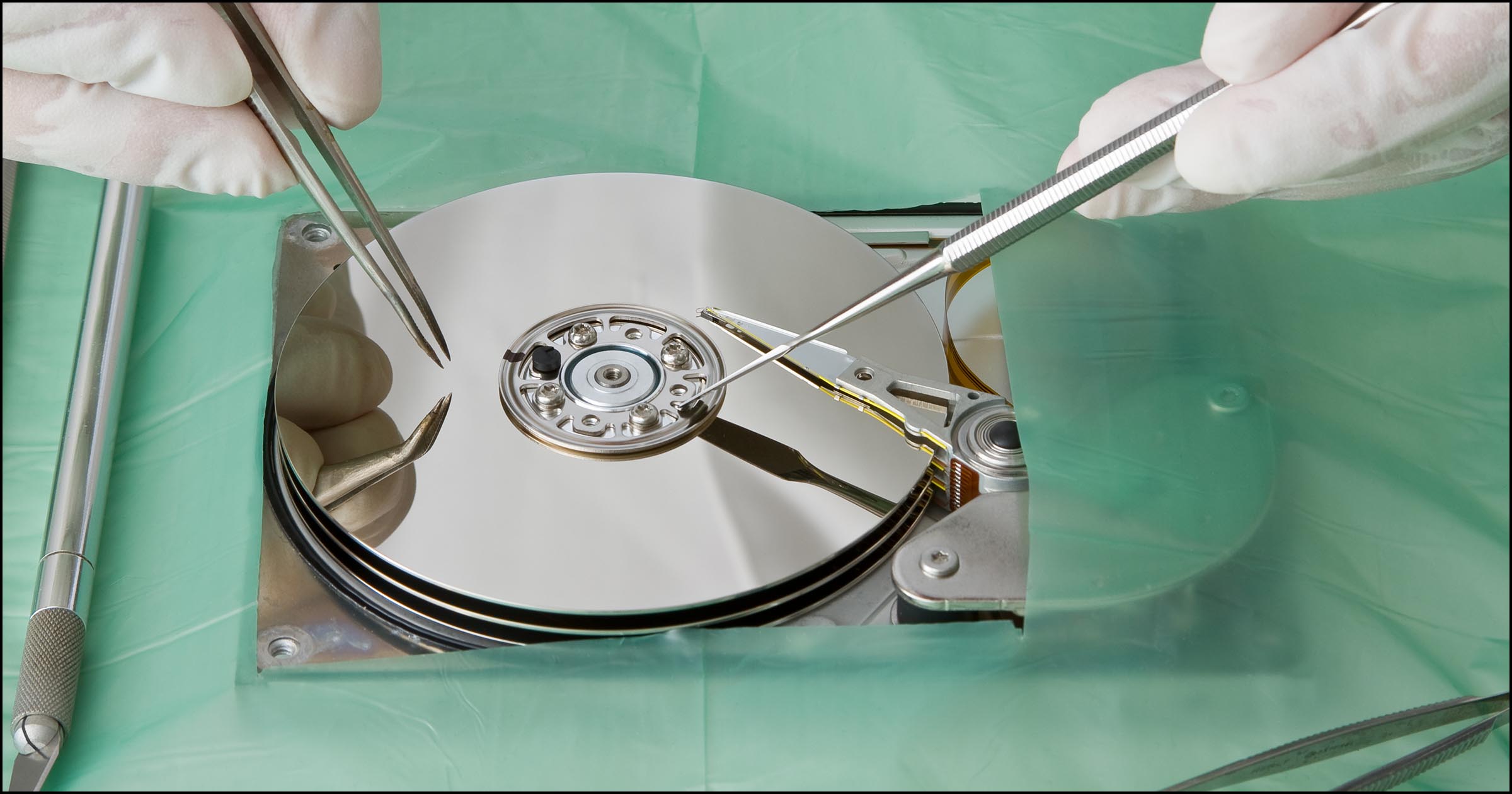
Sometimes, your storage media may suffer physical damage, like a scratched CD, a water-damaged hard drive, or a malfunctioning flash storage chip. In such cases, professional data recovery services, which are equipped to deal with complex hardware issues, are often the best bet. However, these services can be pricey, so it’s essential to weigh the cost against the importance of the lost data.
Computer Forensics: Chasing Digital Shadows
Computer forensics is the process of preserving, identifying, extracting, and documenting digital evidence. It extends beyond simple data recovery to require a sound understanding of the legal landscape, as the extracted evidence often needs to stand up in the court of law.
Typically, a computer forensic analyst starts by creating a forensic copy of the data in question, ensuring the original source remains untouched. This is followed by the identification and extraction of relevant evidence using digital forensic tools. Finally, it’s crucial to maintain a well-documented, defensible chain of custody that can withstand judicial scrutiny.
Embracing Open-Source Forensic Tools
With an increasingly digital world, open-source computer forensic tools have gained much traction. Platforms like Autopsy and OSForensics provide powerful capabilities for image and email analysis, file carving, keyword searching, and more. They are flexible, customizable, and widely adopted in the community.
Riding the Wave of Threat Hunting
The need to proactively detect and isolate advanced threats has birthed the practice of threat hunting. Armed with forensics, threat hunting goes one step further – actively searching for threats before they manifest. Projects like TheHive and MISP are excellent resources that strengthen security and leverage community intelligence.
Final Thoughts
The importance of data recovery and computer forensics cannot be overstated. Whether it’s salvaging your crucial files from a failing hard drive, investigating a data breach or proactively hunting for threats, mastering these disciplines can pay off in numerous ways. Remember, though, while we can retrieve lost data and trace digital trails, prevention is still the best course of action. Robust data backups, strong cybersecurity measures, and best practices can save you from a lot of headaches down the road.
So, the next time you find your files turning into digital ghosts, or are on the hunt for malicious intruders in your network, don’t panic. With this knowledge, consider yourself equipped to calmly deal with such situations. And never forget, there’s a whole community out there ready to lend a helping hand. Happy hunting!

