
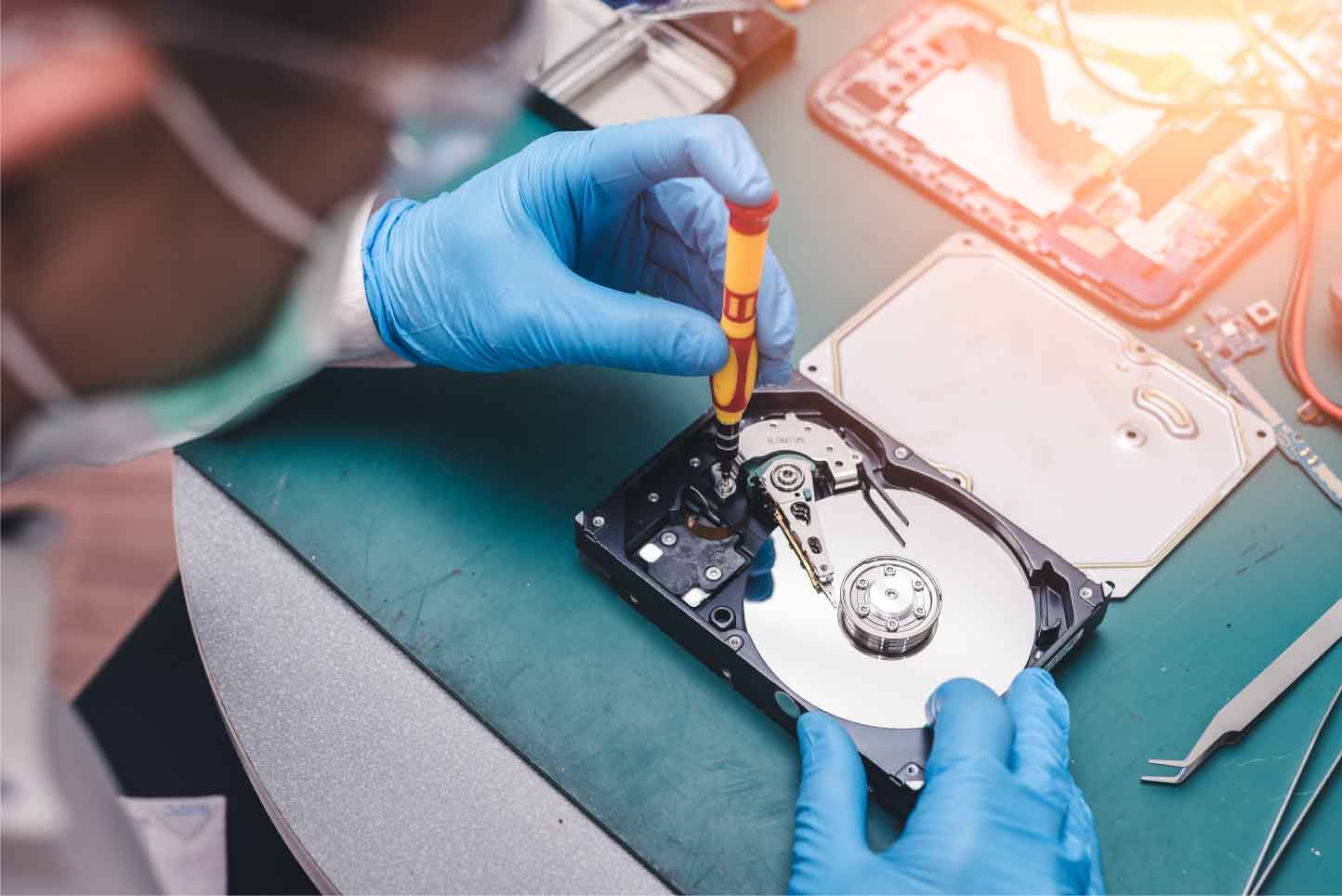


Have you ever accidentally deleted an important file, only to realize later that you desperately need it back? Or have you ever been the victim of a cyber attack and needed to understand how it happened and who was responsible? These are just a few situations where data recovery and computer forensics come into play.
Data recovery is the process of retrieving lost, damaged, or corrupted data from various storage devices such as hard drives, USB drives, and even smartphones. On the other hand, computer forensics involves investigating and analyzing digital evidence for legal purposes, such as in cases of cybercrime or corporate espionage. Both of these fields are crucial in today’s digital age, where losing data can have serious consequences.
Understanding Data Recovery
Data recovery is like a digital lifesaver, rescuing your important files from the brink of oblivion. There are many reasons why data loss can occur, including accidental deletion, hardware failure, viruses, and software glitches. When you delete a file, it doesn’t actually disappear; it just becomes marked as free space on your storage device. This means that with the right tools and techniques, it is often possible to recover the lost data.
There are several methods used in data recovery, such as file system repair, data carving, and disk imaging. File system repair involves fixing the structure of the storage device’s file system to access the lost data. Data carving is a technique that searches for file signatures to piece together fragmented data. Disk imaging involves creating a copy of the entire storage device to work on, minimizing the risk of further data loss during the recovery process.
Delving into Computer Forensics
Computer forensics takes data recovery a step further by focusing on analyzing digital evidence for legal purposes. This field is often used in criminal investigations, corporate litigation, and regulatory compliance. Computer forensic investigators use specialized tools and techniques to gather, preserve, and analyze data from computers, smartphones, and other digital devices.
The process of computer forensics typically involves three main stages: acquisition, analysis, and reporting. During the acquisition stage, investigators collect data from the target device using forensically sound methods to ensure the integrity and admissibility of the evidence. In the analysis stage, the collected data is examined for any signs of unauthorized access, tampering, or other suspicious activity. Finally, in the reporting stage, investigators compile their findings into a detailed report that can be used in court or other legal proceedings.
The Importance of Data Recovery and Computer Forensics
Data recovery and computer forensics are vital in today’s digital world, where data is constantly being generated, shared, and stored. Whether you are an individual trying to recover lost photos or documents, or a business seeking to investigate a security breach, these fields play a crucial role in protecting and recovering valuable information.
By understanding how data recovery and computer forensics work, you can better prepare yourself for potential data loss or security incidents. It is always a good idea to have a backup strategy in place to prevent data loss in the first place, and to seek professional help if you need to recover lost data or investigate a security breach.
In conclusion, data recovery and computer forensics are essential tools in the digital age. Whether you are dealing with a simple data loss situation or a complex cybercrime investigation, these fields can help you navigate the digital landscape and unlock the secrets hidden within your devices. So remember, always back up your data and stay informed about the latest techniques and technologies in data recovery and computer forensics.

