
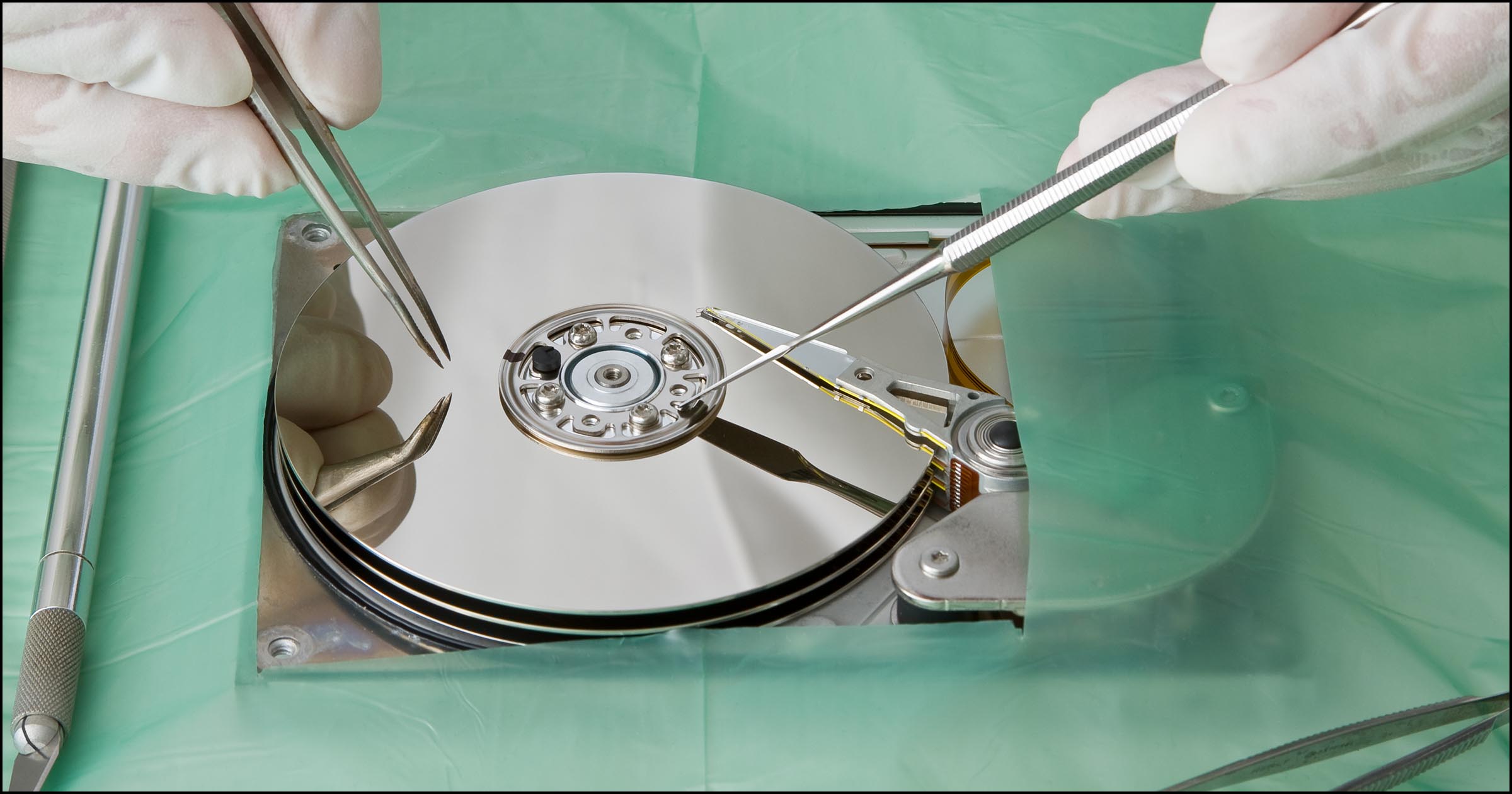


Welcome, tech-savvy readers, to a deep dive into the fascinating world of data recovery and computer forensics. Whether you’re a seasoned IT professional or an aspiring computer whiz, understanding the intricacies of retrieving lost data and conducting forensic analysis on digital devices is crucial in our digital age. So, grab your favorite beverage and buckle up as we embark on this informative journey together.
What is Data Recovery?
Have you ever accidentally deleted an important file or experienced a hard drive crash, sending your precious data into oblivion? That’s where data recovery comes into play. Data recovery is the process of retrieving lost, corrupted, or accidentally deleted data from various storage devices like hard drives, SSDs, USB drives, and more. It involves using specialized software and techniques to recover data that may seem lost forever.
Data recovery can be a lifesaver in a myriad of situations – from recovering crucial business documents to rescuing priceless family photos. However, it’s essential to note that not all data recovery attempts are successful. The success of data recovery depends on several factors, such as the extent of data damage, the type of storage device, and the actions taken post-data loss.
The Science Behind Data Recovery
At the core of data recovery lies a complex yet structured process that involves several key steps. Let’s delve into the science behind data recovery:
-
Assessment: The first step in data recovery involves assessing the extent of data loss and identifying the root cause of the issue. This helps determine the most suitable recovery approach.
-
Disk Imaging: Before attempting any recovery operations, data recovery professionals create a sector-by-sector image of the affected storage device. This step ensures that the original data remains untouched during recovery attempts.
-
Analysis and Recovery: Using specialized software and techniques, data recovery experts analyze the disk image to identify and recover lost data. This process can be time-consuming, depending on the size and complexity of the data.
-
Verification: Once the data recovery process is complete, verification tests are conducted to ensure the integrity and accuracy of the recovered data.
-
Data Restoration: The final step involves restoring the recovered data to a secure location, ensuring that it is accessible and usable by the end-user.
Understanding Computer Forensics
Computer forensics is a branch of digital forensic science that focuses on investigating and analyzing digital devices and data for legal and investigative purposes. From criminal investigations to corporate fraud cases, computer forensics plays a crucial role in uncovering digital evidence that can be used in legal proceedings.
Computer forensics professionals leverage a variety of tools and techniques to extract, preserve, and analyze digital evidence from computers, mobile devices, and other electronic systems. This process involves adhering to strict guidelines and procedures to ensure the integrity and admissibility of the digital evidence in court.
The Role of Computer Forensics in Data Recovery
While data recovery focuses on retrieving lost or damaged data, computer forensics takes it a step further by analyzing and interpreting that data within a legal context. In cases where digital evidence is vital for investigations or litigation, computer forensics professionals play a critical role in recovering, preserving, and presenting that evidence in a court of law.
By combining the principles of data recovery with the methodologies of computer forensics, professionals can effectively recover and analyze digital evidence in a forensically sound manner. This integration of skills and expertise is essential in ensuring the successful investigation and prosecution of digital crimes and incidents.
Conclusion
In conclusion, data recovery and computer forensics are intertwined disciplines that are essential in today’s digital landscape. Whether you’re facing a data loss emergency or navigating a complex legal investigation, understanding the principles and practices of data recovery and computer forensics can make all the difference.
So, the next time you encounter a data loss situation or need to conduct a digital investigation, remember the art and science behind data recovery and computer forensics. By staying informed and equipped with the right tools and knowledge, you can navigate any digital challenge with confidence and expertise.
Happy recovering and investigating, tech enthusiasts!

