
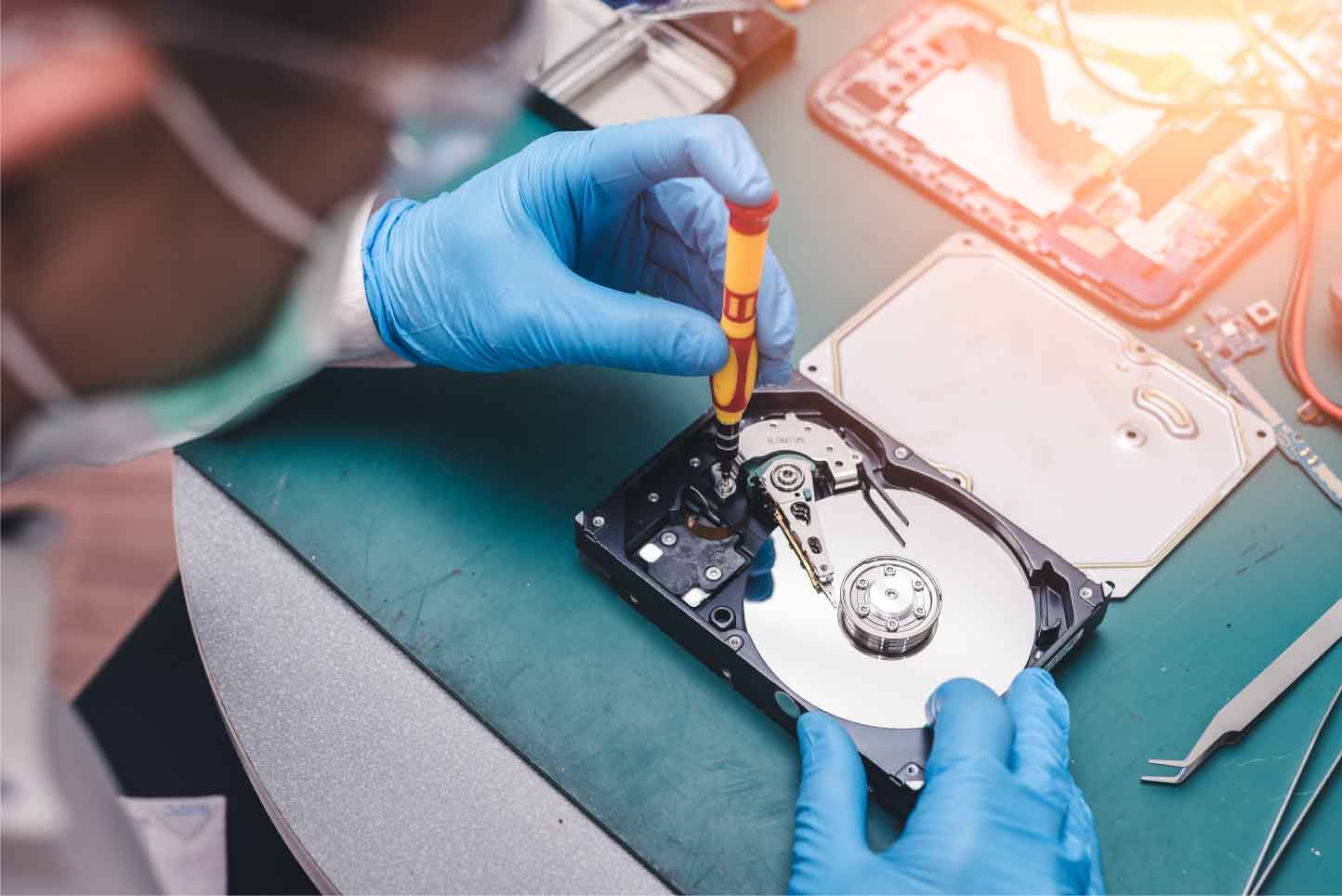


Hello there, tech-savvy friends! Today, let’s dive into the fascinating world of data recovery and computer forensics services. Whether you’re a IT professional, a cybersecurity expert, or simply a curious computer enthusiast, these topics are sure to pique your interest and broaden your knowledge in the ever-evolving field of technology.
Introduction
Imagine this scenario: you’re working on an important project on your computer when, suddenly, disaster strikes. Your hard drive crashes, or you accidentally delete a crucial file. Panic sets in as you realize that your valuable data is at risk of being lost forever. This is where the art of data recovery comes into play.
Data recovery is the process of salvaging and retrieving lost, inaccessible, or corrupted data from storage devices such as hard drives, SSDs, USB drives, and more. It involves using specialized techniques and software to recover data that may have been accidentally deleted, formatted, or damaged.
The Basics of Data Recovery
There are several common causes of data loss, including:
- Accidental deletion: This is one of the most common reasons for data loss. Whether it’s a simple mistake or a misstep while cleaning up files, accidentally deleting important data can be a nightmare.
- Hardware failure: Hard drives, SSDs, and other storage devices can fail due to mechanical issues, overheating, power surges, or other factors, leading to data loss.
- Software corruption: Viruses, malware, or corrupted software can cause data loss by damaging files or making them inaccessible.
When it comes to recovering lost data, there are various methods and tools that can be used. These include:
- Data recovery software: There are numerous data recovery tools available that can help you retrieve lost files from different types of storage devices.
- Professional data recovery services: In more complex cases of data loss, such as severe physical damage to a hard drive, it may be necessary to seek the assistance of professional data recovery experts who have the expertise and resources to recover your data.
Computer Forensics: Uncovering Digital Evidence
Computer forensics is another important aspect of data recovery that focuses on investigating and analyzing digital devices to uncover evidence for legal or investigative purposes. This field is commonly used in law enforcement, cybersecurity, and corporate investigations to gather information from digital devices such as computers, smartphones, and servers.
In computer forensics, forensic analysts use specialized tools and techniques to extract and analyze data from digital devices while maintaining the integrity of the evidence. This process involves:
- Acquiring a forensic image of the device: This involves making a bit-by-bit copy of the entire storage media of the device to ensure that the original data remains intact for analysis.
- Analyzing the data: Forensic analysts use various methods to examine the data, including recovering deleted files, identifying suspicious activity, and documenting their findings for legal purposes.
Conclusion
In conclusion, data recovery and computer forensics play crucial roles in the world of technology by helping individuals and organizations recover lost data, investigate digital crimes, and protect sensitive information. By understanding the basics of data recovery and computer forensics, you can better prepare yourself for potential data loss incidents and ensure that your digital information remains safe and secure.
So, the next time you encounter a data loss situation or need to investigate a digital incident, remember the art of data recovery and the science of computer forensics. These valuable skills will empower you to navigate the complex digital landscape with confidence and expertise. Happy recovering!

